3268796922@qq.com
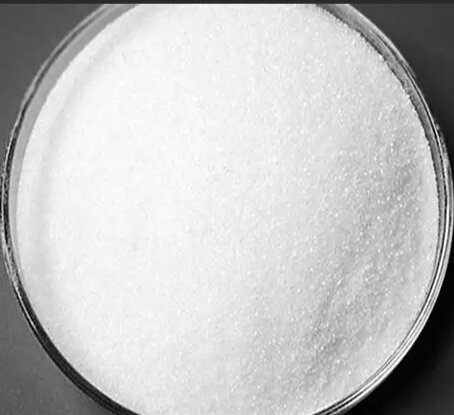
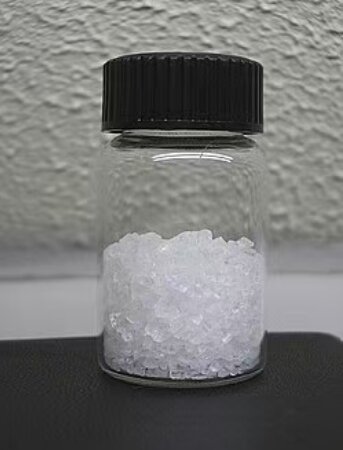
Sodium thiosulfate, with the chemical formula Na₂S₂O₃, usually exists in the form of its pentahydrate, Na₂S₂O₃•5H₂O. Below is a brief introduction to it:
Basic Information
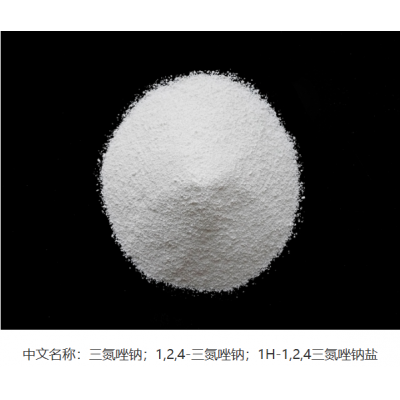
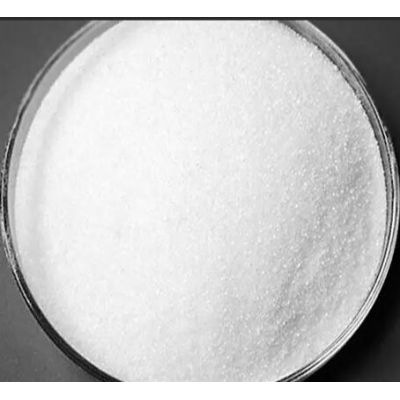
It is also known as sodium hyposulfite, hypo or subsulfite of sodium. Its CAS number is 7772-98-7 (anhydrous form). It appears as white monoclinic crystalline powder, odorless and salty in taste, with a melting point of 48.5°C. It is readily soluble in water but insoluble in alcohol.
Chemical Properties
It has strong reducibility and can undergo redox reactions with chlorine, iodine and other substances, e.g., Na₂S₂O₃ + 4Cl₂ + 5H₂O = 2H₂SO₄ + 2NaCl + 6HCl. It decomposes easily in acidic solutions to produce sulfur and sulfur dioxide, e.g., Na₂S₂O₃ + 2HCl = 2NaCl + H₂O + S↓ + SO₂↑. In addition, it has complexing properties and can form complexes with silver bromide and the like, e.g., AgBr + 2Na₂S₂O₃ = NaBr + Na₃[Ag(S₂O₃)₂].
Applications
In the pharmaceutical field, it can be used for the treatment of cyanide poisoning, as well as poisoning by heavy metals such as arsenic, mercury and lead, and skin pruritus. In photographic processing, it serves as a fixer to dissolve silver halides. In water treatment, it can be used for dechlorination of tap water to reduce the chlorine content in water.
Safety
Its GHS hazard statement is Warning. It is irritating to the eyes, skin and respiratory tract, and proper protective measures should be taken during handling.